アプリ関連ニュース
- 2023年8月02日
- AI
ローカル環境でChat AIを動かせるようです
text-generation-webui というアプリケーションを使用することで
一般家庭用のPCでもグラフィックカードを使って
Chat GPTのような大規模言語AIを比較的簡単に動かせるようです。
モデルのダウンロードやAIのキャラクラー性の設定も簡単にできるようです。
使用するモデルにもよるようですが、vramは16GBほど必要なようです。
グラフィックカードは最新世代のnvidia製のvramが12GBの物と、
1世代前のamd製のvramが16GBの物を所有しているのですが、
Windowsではamd製のグラフィックボードはサポートしていないようなので、
少ないvramでも動作するモデルを見つけられたら
Windows上で試してみたいなと思っています。
水曜担当:Tanaka

tanaka at 2023年08月02日 10:00:00
- 2023年7月31日
- AI
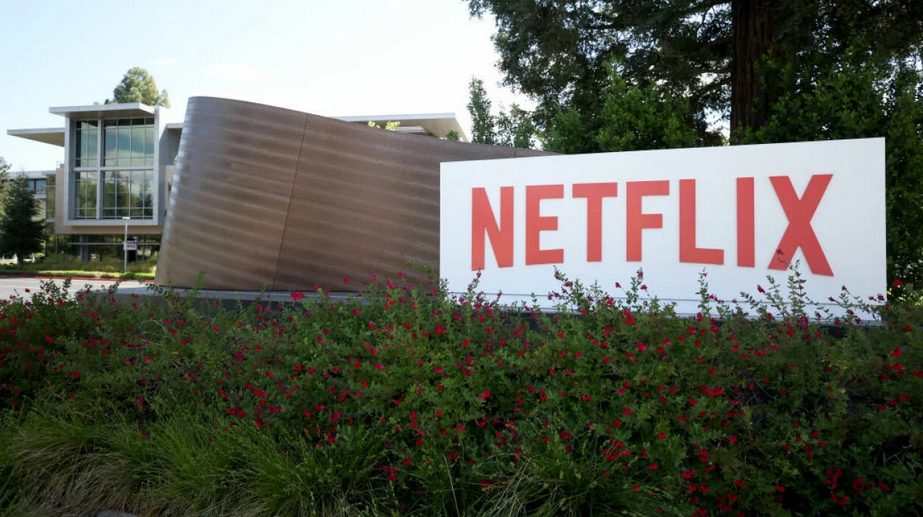
Netflix is hiring an AI manager for up to $900K
Netflix hires a product manager to strengthen the internal use of artificial intelligence. In the first joblist discovered by the intercept, Netflix will manage to a successful applicant of $ 300,000 to $ 900,000.
In their tasks, Netflix develops a “strategic vision” for using AI through machine learning platforms, evaluates the use, execute a program for “user education” in the platform, and maintains new technology. Includes to do.
The important thing is that it is not clear whether this role is directly involved in content creation or influence. Netflix has already selected a thumbnail art that uses artificial intelligence to customize user recommendations and appeal to a specific preference of individuals. The company was parody with Netflix’s own black mirror. The streaming site will also use AI to analyze which content is successful and notify future production.
However, Netflix has previously demonstrated that it does not oppose the idea of using AI to generate content. The company was scrutinized in February after the Japanese division using AI to generate the background art of Anime Short THE DOG and THE BOY.
All of these are all invested in AI, are ready to invest a large amount of investment, and are willing to invest.
Yuuma
kishimoto at 2023年07月31日 10:00:00
- 2023年7月27日
- AI
OpenAI GPT API(10) WebAppでの活用
今回はOpenAI APIをWebアプリケーションに組み込んで活用する方法を説明します。
PythonのWebアプリケーションフレームワークといえばDjangoが有名ですが、
今回はテスト用途なので、軽量でシンプルなフレームワークである
Flaskを試してみたいと思います。
nishida at 2023年07月27日 10:00:00
GPTを搭載した犬型ロボット
tanaka at 2023年07月26日 10:00:00
Top LLM(Large Language Models) python libraries
Today, I would like to share about top LLM Python libraries. Let’s take a look.
OpenAI is at the forefront of AI and LLMs globally. Their GPT-3 and GPT-4 models have brought about a revolutionary change with their remarkable language understanding capabilities.
OpenAI provides the OpenAI API, a Python library that facilitates seamless integration of models into applications. Through this API, developers can effortlessly generate text, respond to queries, extract structured data, and undertake a variety of other NLP tasks.
LangChain is a framework for developing LLM-powered applications with a focus on composability. It aims to simplify the creation, management, and scaling of LLM-powered applications in Python, emphasizing a simple and modular design. With various tools and utilities, LangChain assists developers in streamlining their workflow and efficiently deploying LLM-based solutions.
Hugging Face is renowned in the NLP community for its extensive collection of pretrained language models and user-friendly transformers library. Their transformers library provides a plethora of Python tools for effectively working with LLMs, encompassing pre-processing, training, fine-tuning, and deployment. With support for multiple model architectures, it stands as a flexible option for developers.
LlamaIndex, previously known as GPT Index, stands as a comprehensive and cutting-edge framework specially designed to empower LLMs with the capabilities of handling private and custom data augmentation. This innovative framework encompasses a wide range of essential components, including data connectors, LLM-compatible indices, and graphs, along with a sophisticated query interface meticulously crafted to interact seamlessly with the underlying data. By integrating LlamaIndex into their applications, developers gain unparalleled flexibility and enhanced capabilities for augmenting LLMs with private and custom datasets, facilitating more dynamic and sophisticated natural language processing tasks.
Cohere stands as a prominent LLM provider, offering an array of pre-trained models and a Python SDK, allowing effortless integration into applications. Their platform is dedicated to generating natural, context-aware text, encompassing various domains, while placing a strong emphasis on ethical AI practices. With a focus on mitigating potential biases and guaranteeing human-like text outputs, Cohere equips developers with essential tools to maintain fairness and inclusivity. Designed with utmost user-friendliness in mind, their platform streamlines the process of creating, testing, and deploying AI-powered applications, ensuring minimal effort for developers.
This is all for now. Hope you enjoy that.
By Asahi
kishimoto at 2023年07月25日 10:00:00
 大人が楽しめるヒーリング絵本河童のカパと静かな森
 パワースポット 日本三大神滝布引の滝
 佐藤・広幸ドイツ魂
 Himeji Castle姫路城
 ボイドタイムお知らせアプリVoid Time 〜月を無視できない〜
 撮った写真をカレンダーに撮りカレ
 ライブ壁紙竹田城ライブ壁紙
 赤ちゃんにっこりBaby+Smile
 電子書籍[for iPhone]ターラのアストロロジー
 約100gまで軽くなったVR――ヘッドセットは「メガネ型」へ向かう?
 Windows+WSL2+Docker開発環境のトラブルTips集
 290B級AIをゲーミングPCでローカル実行?「FreeToken」が目指す新しいローカルAI